
Innovative agricultural concepts for biofuels generate multiple added value: energy + carbon sequestration + nutrition
The transport sector is responsible for just under 16% of global CO₂ emissions and, at 8.4 gigatonnes of CO₂ equivalent in 2024 (GHG Emissions Report 2025), is the third largest source of emissions after power generation and manufacturing. The greatest potential lies in decarbonising energy-intensive aviation and maritime transport, which is highly depentent on heavy fuel oil.
Sustainable fuels are one of the most important drivers for significantly reducing CO₂ emissions in the sector and accelerating progress towards the ultimate goal of net-zero emissions. Innovative agricultural concepts with a holistic sustainability model for biofuels generate multiple added value in the areas of energy, carbon sequestration and nutrition.
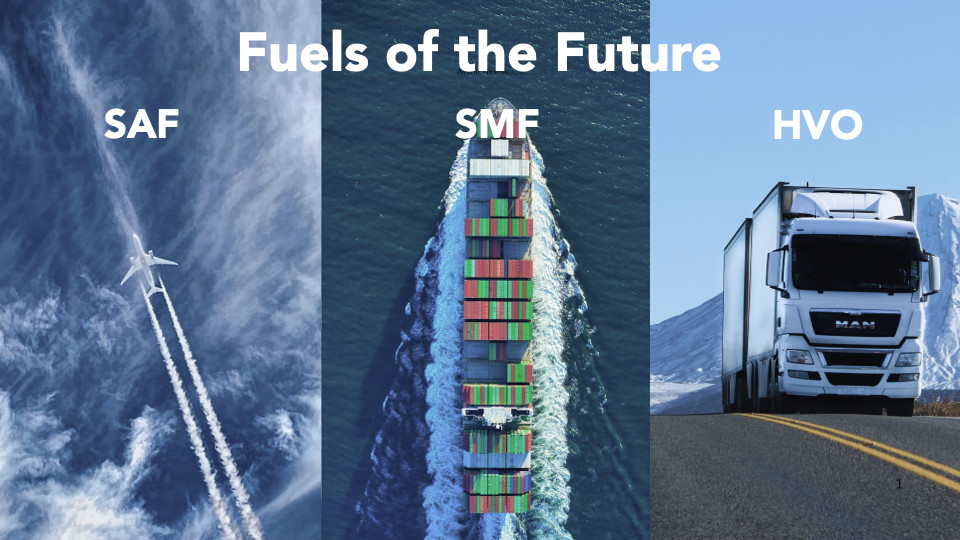
Biogenic fuels are an important element for significantly reducing CO₂ emissions in the transport sector (Photo: Smelty + Partners)
Key to innovation: biofuel
Sustainable fuels are derived from renewable and recycled raw materials and have no negative impact on the environment, climate or society.
Maximising the innovation potential of sustainable biofuel cultivation
Biofuel from sustainable cultivation is the strategically sensible approach to climate protection. Prerequisite: It must not have any negative effects on the environment, climate or society. Without conversion, it can be used as a drop-in fuel in air, maritime and road traffic. Its advantages are manifold: It is biodegradable, far less toxic than fossil fuels and reduces both CO₂ emissions and local air pollutant emissions.
Fuels of the future
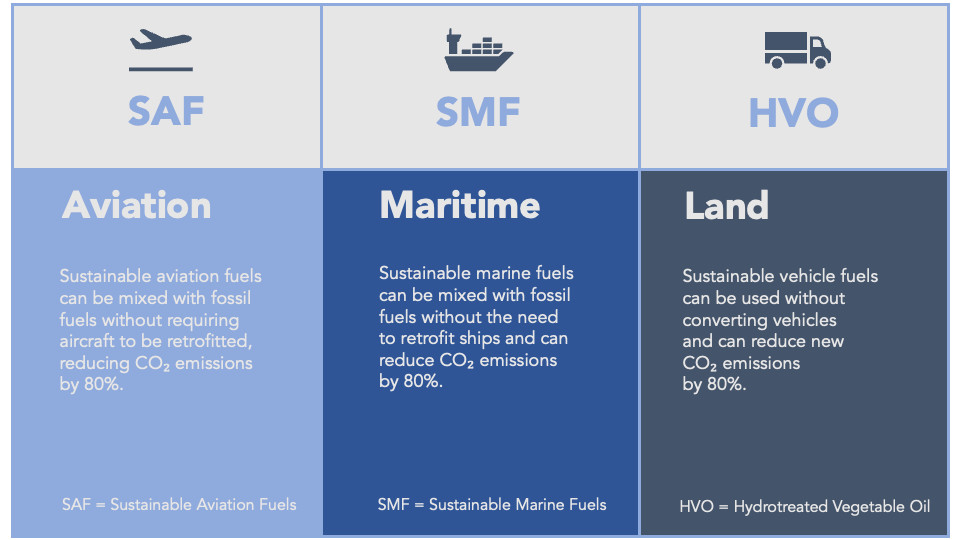
Innovative approach to biofuel cultivation – holistic, scalable + efficient
Innovative, digitally supported agricultural solutions are essential for the cultivation of biofuels. The aim is to use a holistic, scalable and efficient approach to manage agricultural areas in a way that meets needs, conserve resources and protect the environment, thereby continuously increasing yields, diversification and added value.
Optimal agricultural solution – combining tradition and innovation
The optimal agricultural solution in the age of climate change often combines forgotten traditional farming methods with innovative agricultural technologies to achieve maximum added value along the value chain.
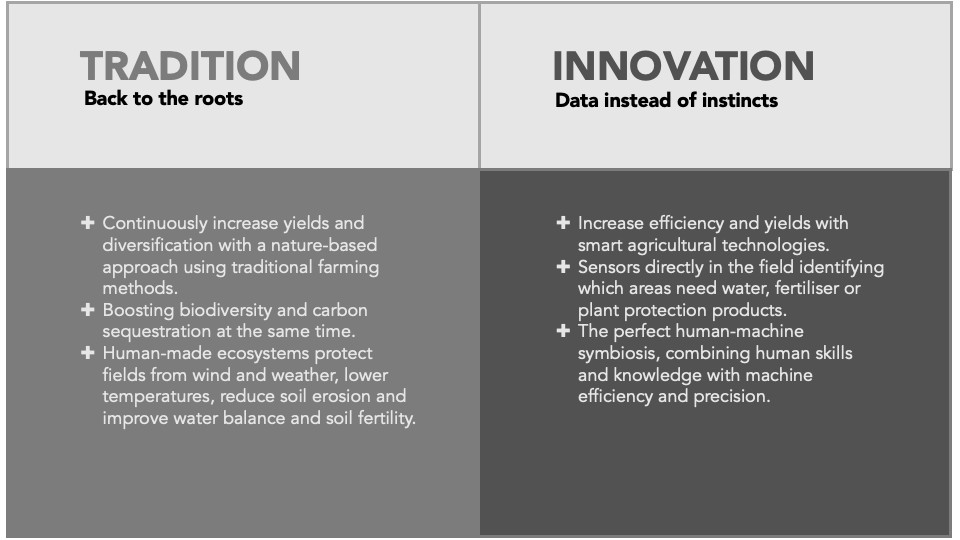
Multiple value creation for the cultivation of biofuels: Energy + carbon sequestration + nutrition
The holistic sustainability model of regenerative agriculture provides both raw materials for biofuel production and dietary supplements from by-products. It also supports natural carbon sequestration and carbon capture from soils, fast-growing plants, and trees.
Optimal carbon storage
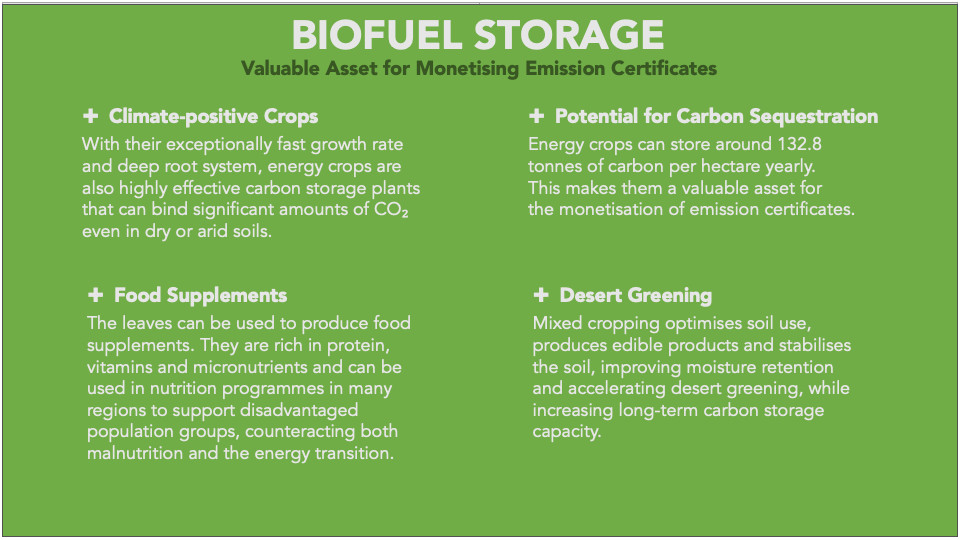
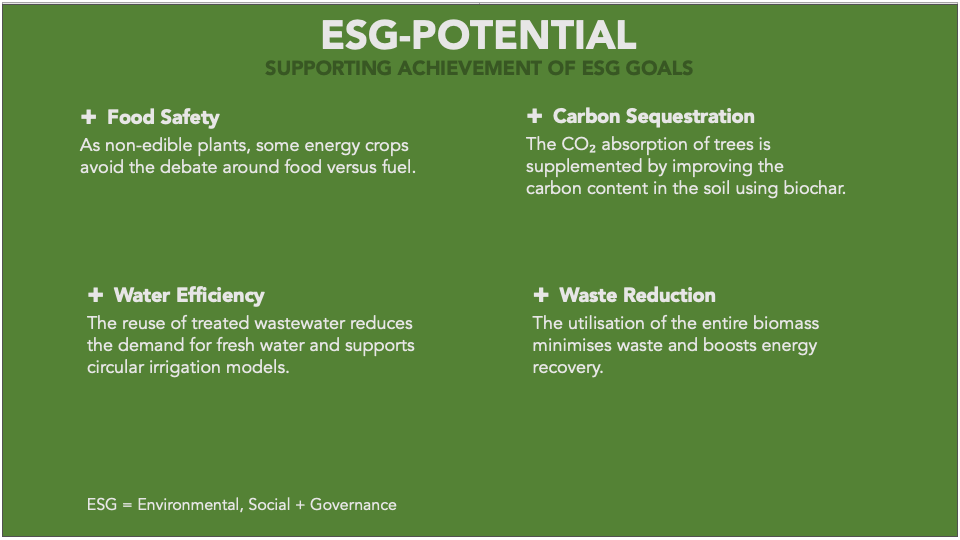
Optimal ESG potential
Current project
Aviation and agriculture experts from Smelty + Partners in Germany and the United Arab Emirates (UAE) have developed a scalable, efficient and sustainable agricultural solution for the corridor model that will enable the UAE to achieve its SAF target of sourcing at least 1% of its fuel from domestically produced SAF by 2030. This corresponds to a production volume of around 700 million litres of SAF.
Benefits
It enables the country to position itself as a global pioneer in sustainable aviation with a flagship project and to promote the UN Sustainable Development Goals in the areas of climate, hunger, land restoration and sustainable agriculture.